Mon nom est Phila ! Passionnée de brico-déco,
j’adore réparer, peindre, assembler, bricoler, bref créer de mes 10
doigts ! J’ai d’ailleurs dû tester la moitié des tutos et autres DIY du net haha !
Maintenant que je suis plus expérimentée, j’ai tenu à monter ma petite tribune, mon blog à moi
dans lequel je pourrais partager avec vous mes meilleurs conseils sur l’artisanat et le
bricolage en général.
Rendre visite à des proches et tomber en extase devant leur aménagement, ça arrive à tout le monde. Ce qui serait vraiment sympa c'est que vous ressentiez autant de plaisir à admirer votre propre logement. Ne vous inquiétez pas, ce n'est pas un pari très compliqué à relever.
En fait, la maison de vos rêves c'est avant tout celle où vous vous sentez bien. Et il n'est pas obligatoire d'investir des sommes folles pour aboutir à un résultat bluffant. Vous devez vous y connaître un peu en bricolage et avoir les adresses d'artisans compétents dans votre agenda. C'est largement suffisant pour vous créer un environnement qui vous ressemble.
Retrouvez ici tous les conseils en bricolage !

Des conseils utiles pour vous aider en bricolage
C'est agréable de mettre la main à la pâte de temps en temps. Même si le
résultat n'est pas forcément le même qui si vous confiez la tâche à un pro, le fait de fournir
des efforts aide à apprécier le résultat. Et puis, c'est un excellent moyen de laisser libre
cours à votre imagination. Mais attention, il y a quelques règles de bases à respecter.
Mon premier conseil bricolage concerne la peinture. C'est en effet l'une des tâches que l'on effectue souvent soi-même. Commencez toujours par les angles, en procédant de haut en bas puis de bas en haut. Servez-vous idéalement d'un pinceau rond en veillant à ce que ça dépasse bien de chaque côté de l'angle.
Faites le reste du mur au rouleau, en plusieurs couches. Il arrive fréquemment que la peinture tache le plafond ou le sol. L'astuce est simple : appliquez une bande adhésive qui délimite la zone à peindre. Vous verrez que le résultat est nickel. Assurez-vous simplement de n'enlever l'adhésif qu'une fois la peinture bien sèche.
Pour éviter de racheter de nouveaux meubles, vous pouvez simplement redonner une seconde jeunesse
à ceux que vous avez chez vous. Poncer du bois et appliquer une nouvelle couche
de vernis est une solution que j'affectionne particulièrement. Sinon, sortez pinceaux et
peinture. Collez des cartes, des pages de livre, des autocollants… pour customiser le tout.
Vous vous doutez bien que je ne vous ai pas dévoilé tous mes secrets. N'ayez pas d'inquiétude,
d'autres conseils simples à mettre en œuvre vous seront proposés au fil des pages. Je vous
invite donc à consulter mon blog régulièrement pour ne rien rater des grandes astuces de
bricolage.
Il est parfois nécessaire de contacter un artisan pour votre maison

Un artisan peut vous aider efficacement pour les travaux dans votre maison
Bricoler soi-même est peut-être économique. Cependant, l'intervention d'un artisan maison se révèle indispensable dans
certains cas. Cela concerne aussi bien les travaux liés à la sécurité que ceux qui vous ouvrent
droit à des aides financières.
Quand vous vous lancez dans une rénovation énergétique, l'Etat propose des subventions. La condition sine qua non pour les obtenir est de faire appel à un artisan certifié. Cela concerne notamment l'isolation, les dispositifs de chauffage, etc.
De la même manière, il est essentiel de confier votre serrurerie à des professionnels. Ils ont le savoir-faire et les connaissances nécessaires pour vous aider à choisir les bons équipements et réaliser un travail méticuleux dans des délais très brefs.
Faire appel à un artisan qualifié est un gage de fiabilité. Si jamais vous rencontrez des problèmes liés aux travaux réalisés, vous pouvez faire jouer une garantie ou demander à votre assureur d'intervenir. En résumé, vous gagnez du temps et vous vous offrez une protection contre le travail bâclé.
Je me répète peut-être mais il est crucial de solliciter plusieurs offres et de les comparer. Informez-vous sur les tarifs applicables selon la nature des travaux. Vérifiez que l'artisan est habilité par l'Etat à exercer son métier. En bonus, il serait préférable que l'artisan soit agréé par les assureurs.
Il est possible de louer ou acheter du matériel btp pour vos travaux !
Les talents de bricoleur ne suffisent pas toujours pour bien faire les choses. La qualité du matériel dont vous vous servez est tout aussi importante ! Il s'avère ainsi indispensable de faire les bons choix avant de démarrer tout bricolage que ce soit.
Définissez d'abord la nature des travaux. Souhaitez-vous procéder à un nettoyage intensif ? Jouerez-vous les menuisiers ? Avez-vous besoin de remblayer un peu le terrain ? Comptez-vous démolir des murs ? N'hésitez pas à dresser une liste écrite de ce qu'il y a à faire pour ne rien oublier.
Identifiez ensuite les équipements et outils nécessaires pour chaque tâche à accomplir. Quand vous vous procurez du matériel, assurez-vous qu'il soit de qualité professionnelle. Je vous conseille de voir sur https://www.trconseil.com/materiel-btp.html qui propose du matériel btp à la vente et en location.
Référez-vous aux marques de vos outils si vous recherchez uniquement des accessoires. Ne prenez que ce dont vous aurez vraiment besoin pour éviter les dépenses inutiles. En cas de doute, adressez-vous à un conseiller qui vous orientera vers le matériel qui vous convient.
Artisanat du bâtiment : un blog qui regorge de conseils

On a toujours besoin de bons conseils !
En fouinant un peu sur le web, je suis tombé sur le blog artisanat du bâtiment que je vous recommande
chaudement. Le site propose des conseils et astuces utiles au quotidien. D'ailleurs, je m'en
inspire moi-même pour éviter les petits pépins du quotidien.
J'y ai notamment découvert les différentes étapes pour concevoir un jardin. Il ne suffit pas d'enterrer de jeunes plants ici et là et d'attendre qu'ils poussent. Il faut anticiper le résultat final et donc envisager les différents aménagements dans leurs moindres détails.
L'emplacement de la future piscine, le coin repas, l'espace engazonné… tout est matière à réflexion.
L'entretien du marbre est aussi abordé dans ce blog. Vous y puiserez de précieuses informations concernant la cristallisation, un procédé très technique et très efficace pour donner l'illusion d'un marbre flambant neuf.
Ce sont des sujets que j'aborderai dans mon propre blog. D'autres thématiques sur l'artisanat lié au bâtiment viendront un peu plus tard. Je vous demande donc de patienter un peu, le temps que je peaufine des billets répondant à vos attentes.
J'ai décidé d'ajouter une extension à ma villa !
Au début, les dimensions de votre villa vous convenaient très bien. Mais voilà que vous avez
besoin de plus d'espace. Sachez que différentes solutions sont disponibles en
termes d'extension. L'option la plus courante consiste à augmenter la longueur ou la largeur de
la construction afin d'optimiser la surface habitable. C'est une extension dite
"sur-terrain".
Vous pouvez aussi transformer votre villa en un immense bâtiment. Passer d'une construction de
plain-pied à un bâtiment de 2 ou 3 étages nécessite cependant plusieurs précautions. Il faut
notamment vous assurer que les fondations sont adaptées à votre projet.
L'extension n'est pas obligatoirement réalisée dans les mêmes matériaux que la villa. Une construction en brique ou parpaing peut par exemple être associé à une extension entièrement vitrée, ce qui optimise la luminosité à l'intérieur du logement.
Si vous venez de faire construire vous aurez forcément besoin d'un chauffagiste
Ça y est. Vous avez vos quatre murs et votre toit. Le sol est nickel, les sanitaires sont installés, vous avez des meubles. Bref, vous êtes prêt à emménager dans votre nouvelle demeure. Mais avez-vous vraiment pensé à tout ?
Les services d'un chauffagiste se révèlent indispensables. L'artisan vous
aidera à choisir le système de chauffage adapté à la configuration de votre maison, à votre
budget et à vos besoins. Le chauffage central et la production d'eau chaude
sanitaire seront au cœur de vos préoccupations.

Un chauffagiste est essentiel dans votre projet de construction
Un spécialiste du chauffage peut aussi porter la seconde casquette de plombier. C'est un deux-en-un très intéressant pour réaliser différents travaux en parallèle. Si l'entreprise est agréée par plusieurs assurances, c'est déjà une excellente référence. N'oubliez pas de vérifier les zones d'intervention et le panel des prestations proposées.
Le bricolage est moins contraignant qu'il n'y paraît. Ce qu'il vous faut, c'est de l'imagination, de bonnes techniques, des outils fiables et les contacts d'artisans expérimentés. Prenez toujours le temps de la réflexion avant de vous lancer et assurez-vous que le résultat vous plaise pour les prochaines années à venir.
Et lorsque vous aurez terminé vos travaux relatifs au chauffage, pensez à vérifier encore un dernier point important concernant la sécurité de votre maison ou de votre appartement : vos serrures ! Et oui, une porte blindée et/ou une serrure 3 ou 5 points de qualité est le meilleur moyen pour protéger votre foyer. Alors si vous habitez sur la Côte d’Azur et que vous êtes à la recherche d’un artisan serrurerie à Saint Laurent du var ou d’un professionnel de la serrurerie à Vallauris, n’hésitez pas à débuter vos recherches.
Trouver un bon serrurier à Pegomas : les astuces pour trouver un vrai pro !
Un bon serrurier se caractérise d’abord par son comportement. Dans la plupart des
cas, le contact s’établira par téléphone. Le professionnel doit,
spontanément, se montrer courtois, et à l’écoute de votre
problème. Il doit aussi un ton rassurant et un discours clair.
La description de
ses prestations doit être précise, et il doit être transparent sur ses tarifs
(n’hésitez pas à regarder en parallèle sur internet pour
vérifier que le spécialiste de la serrure n’est pas associé à
des critiques négatives).
Dans un second temps, pour avoir la garantie
d’avoir une personne de confiance, il faut identifier son approche de votre
problème : vous demande-t-il de filmer ou prendre en photo la serrure et
la porte ? vous pose-t-il des questions précises ? Si c’est le cas, alors vous avez
en face de vous un vrai pro !
Il vaut mieux toujours avoir un bon serrurier en poche
Un artisan serrurier professionnel peut intervenir sur un grand nombre de
problématiques. Par exemple, il pourra s’occuper de réparer une
serrure bloquée, notamment dans le cadre d’une serrure à 3
points. Mais il pourra également s’occuper de réaliser un double de vos
clés à partir d’une serrure existante, voire vous proposer une solution plus
adaptée. Un serrurier professionnel est également en mesure
d’améliorer ou renforcer la sécurité de votre
domicile ou sur les lieux de votre travail. Dans tous les cas de figure, il importe
d’avoir régulièrement à disposition un bon serrurier, opérant
dans un secteur proche pour obtenir un travail rapide et efficace.
Conseils pour entretenir et nettoyer son sol en terre cuite
Sol en terre cuite : les conseils d’entretien
Les sols en terre cuite sont toujours très appréciés. Ils nous rappellent les maisons de nos grand-mères, le beau temps du sud. Leurs couleurs orangées jouent avec la lumière. Résistants, faciles à vivre, ils réclament pourtant un entretien et un nettoyage à la fois régulier et spécifique, pour préserver leur beauté.
Les spécificités du sol en terre cuite
La couleur des carreaux dépend de la couleur de
l’argile utilisé, qui peut être rouge, jaune ou ocre. Les nuances
dépendent du taux d’oxyde de fer incorporé dans le
mélange qui formera la tommette après la cuisson. La forme des carreaux varie
selon les goûts : carrée, rectangulaire, hexagonale, en losanges…
Ils sont collés au sol, et bénéficient d’une très bonne
longévité. Les carreaux de terre cuite ont aussi l’avantage notable
d’être parfaitement adaptés à tous les chauffages au sol. Ils sont
plutôt faits pour les climats chauds : le gel peut les briser.
Ils absorbent l’eau : un dégât des eaux nécessitera un temps de séchage long.
L’entretien d’un sol en terre cuite est spécifique du fait de sa
matière de composition il est particulièrement poreux.
Comment le nettoyer ?
Certains produits sont à éviter. Ils ne nettoient pas
véritablement la terre cuite, mais risquent surtout de la rendre terne ou graisseuse. Il
faut donc fuir, pour le nettoyage de vos tommettes, l’alcool, le vinaigre et les produits
anticalcaires. A noter aussi, l’utilisation d’un nettoyeur-vapeur est à
proscrire pour vos sols en terre cuite, car elle risquerait de dégrader les joints de vos
carreaux.
Pour nettoyer un sol en terre cuite, il faut, au quotidien, utiliser un balai microfibre
humide. Cette solution douce fera merveille. En cas de tâches usuelles, quelques
gouttes de liquide vaisselle ou de savon noir peuvent
être ajoutées à l’eau.
Autre solution : du jus de citron dilué dans
l’eau peut être appliqué avec une éponge. Au final, un sol en terre
cuite ne devra pas être laissé humide, mais devra être séché
à l’aide d’un balai microfibres.
En cas de tâche d’huile, il faut verser tout de suite dessus de la
farine, puis balayer et laver. Les tâches de cambouis peuvent être
enlevées grâce à un linge imbibé
d’acétone, celles de cirage ou de peinture avec du
white-spirit, celles de vin ou de sang avec de l’eau
oxygénée, celles de gras avec du vinaigre blanc. Il
faut ensuite bien laver, et sécher.
Si les tomettes sont particulièrement encrassées, il est conseillé
d’utiliser un balai-brosse humidifié d’eau chaude, avec des cristaux
de soude (1 tasse à café pour 1 litre d’eau) ou du
bicarbonate de soude en saupoudrage sur le sol. Il faut ensuite rincer
abondamment et sécher le sol.
Comment l’entretenir ?
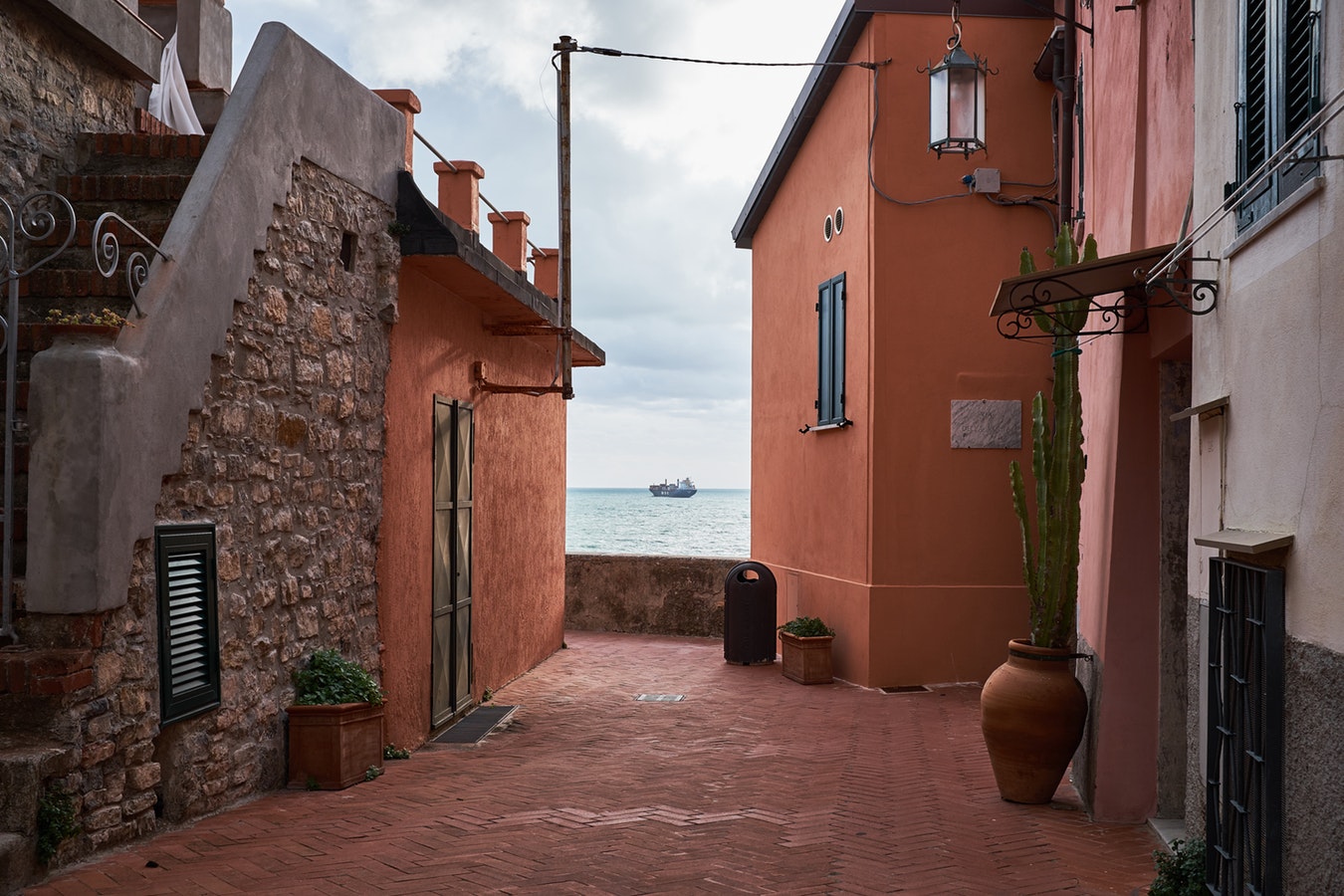
Le bon entretien pour un sol en terre cuite, c’est l’application de cire (une cire liquide d’abeille vendue en droguerie), en couches successives, sur un sol propre et sec. Le temps de séchage d’une couche de cire peut varier de 1 à 3 heures. Il faut ensuite polir le sol avec un large chiffon de laine.
Cette méthode va durablement protéger des tâches et imperméabiliser
le sol, mais il est conseillé pour ce faire de faire appel à un professionnel. La
finition peut être, selon les goûts, matte ou brillante.
Pour simplement raviver la couleur des tomettes, il suffit de passer dessus un linge
imbibé d’huile de lin (pour les ¾) et
d’essence de térébenthine (pour le quart restant).